


Inflation risks skewed to the downside
Rather than the headline decision, the overall message and signal for future policy are often more important to the market.In this respect, the MPS was interpreted by the market as a ‘hawkish cut’.
In the first instance, the market focused on the lack of further cuts in the 90 day bank bill projection, and the lack of a dominant alternative downside scenario in the document to pave the way for the next cut. However, we believe that the next MPS in March is still very much a ‘live meeting’, with downside risks to the inflation outlook continuing to skew the balance of risks towards further OCR cuts.
It is understandable that the RBNZ sought to present a balanced outlook in the December MPS. Having cut the OCR from 3.50% to 2.50% over a six month window, it provides the opportunity for the Bank to take a breather. With the economic outlook not looking as bad as feared back in September (when dairy prices and business confidence were at their lows), there is less immediate urgency to cut rates. It also provides time for the RBNZ to assess whether the Auckland housing market is indeed beginning to cool, helping to ease their financial stability concerns.
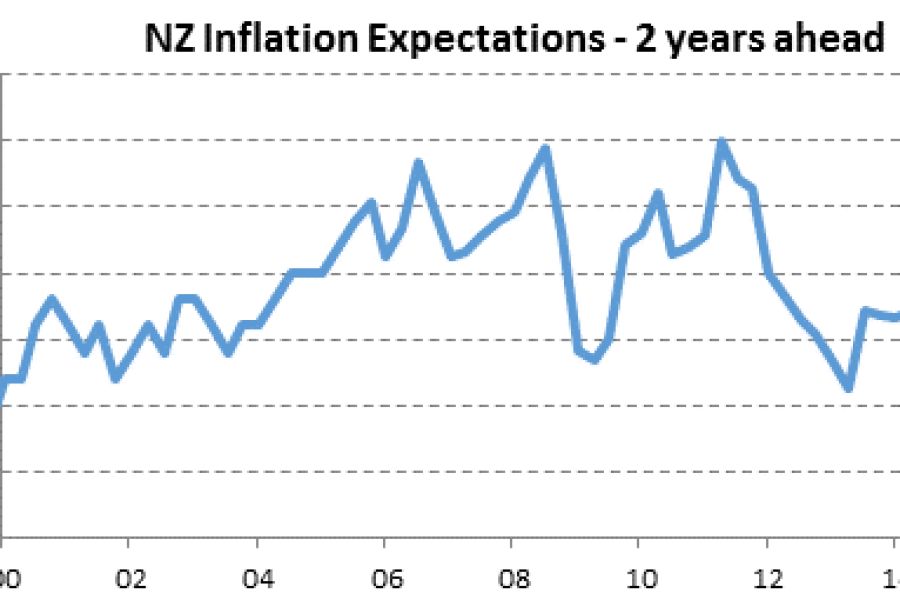
In our view, the most important part of the MPS was the Bank’s outlook for inflation.
Click the button below to subscribe and will have free unlimited access for a limited time to full article and all other articles on the site.
You will also be able to comment on articles on Good Returns.