



RBNZ says no political interference in OCR decision
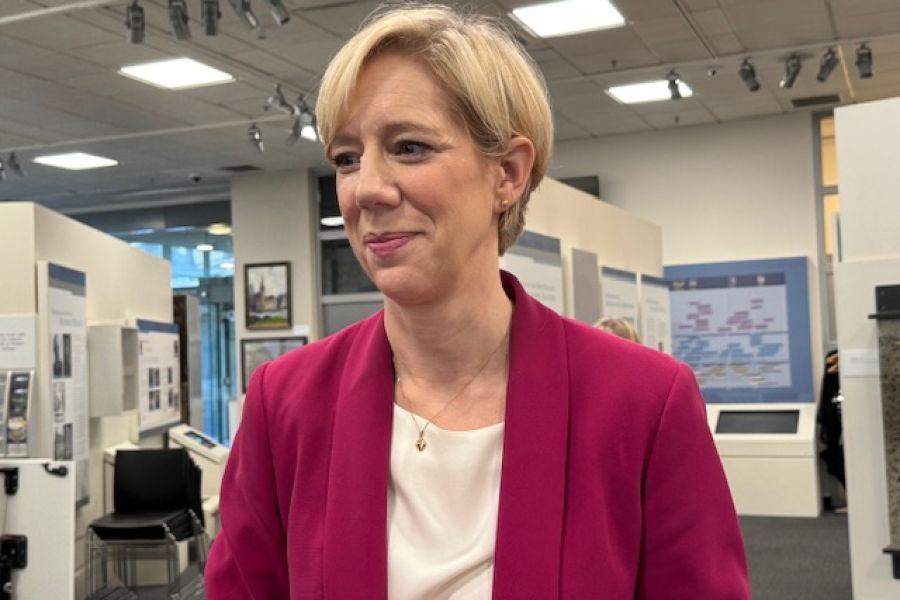
Reserve Bank governor Anna Breman has defended the decision to hold the OCR just 10 days out from the general election despite the market fully expecting an interest rate increase.
Breman said the decision had nothing to do with the election and the central bank’s mandate was clearly focused on getting inflation under control.
In response to questions she said there had been no discussions or briefing with the finance minister.
Likewise she would not be drawn into questions about Finance Minister, Nicola Willis, claiming the government was responsible for taking interest rates down.
While the minister was touting lower interest rates the Reserve Bank was clear that although it held the OCR today future increases are almost a certainty.
After the OCR announcement ANZ was clear that it expected three more OCR increases.
“We continue to believe that it will be necessary to lift the OCR to 3.5% in order to head off risks of inflation becoming persistent,” ANZ chief economist Sharon Zöllner said.
“Our base case is that the three hikes will come at the next three meetings, in December, February and March.
“Just like the RBNZ’s, our forecasts remain highly conditional on developments.”
Kiwibank economists, who had argued strongly against an OCR increase, are naturally delighted with today’s decision.
“We certainly applaud the pause.”
“They have delivered two hikes, and want to look around. They are on a fact finding mission (data dependent). And their decision clearly lowers the highly inflated expected path for interest rates from here.
“We, along with most commentators and market traders, had expected a hike today. Although we remain firmly in the most dovish camp, expecting far fewer hikes compared to the consensus of economists looking for moves towards 4% and above.
“A move to 3-to-3.25% is still likely. But market pricing of 4% needs to be unwound.”
Meanwhile, BNZ head of research Stephen Toplis was “frankly flabbergasted by the RBNZ’s decision to leave interest rates on hold.”
“While central banks are not obliged to follow market pricing and/or the consensus, it is rare that they move diametrically against them. In doing so the RBNZ has added to inflationary pressure instantaneously by encouraging an already soft New Zealand Dollar to fall further.”
Cotality chief property economist Kelvin Davidson said that “broadly speaking, the (Monetary Policy Committee) members who voted for a rate hold highlighted a general view that measures of inflation expectations remain ‘under control’ at least for now.”
The central bank also said there was evidence suggesting firms would find it hard to increase margins and their selling prices in the current environment and there was not much room for wage inflation.
Davidson said that for the property market unemployment should come down over the next year which would “tend to bolster sales activity and house prices.”
“But there also seems to be scope for mortgage rates to rise further too, and the past five-six years have shown yet again that it’s credit availability and cost which tends to drive the housing market in the short to medium term.”
“As such, it seems unlikely that property sales activity or house prices are suddenly going to race away again anytime soon. It wouldn’t be a surprise to see more borrowers continue shifting towards longer-term fixed mortgage rates as insurance against even higher costs later.”