



Heartland chairman sets sights on $300 million profit
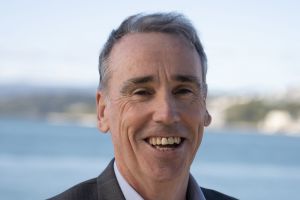
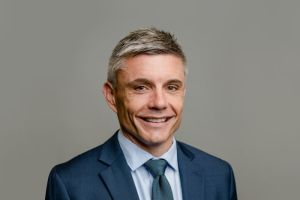
Heartland Group chairman Greg Tomlinson believes the banking group has the potential to generate $300 million in annual net profit after tax following its proposed merger with TSB.
Speaking at Heartland's annual meeting, Tomlinson says the group has made significant progress after several difficult years, but its current profitability falls well short of what the business could achieve.
"On the basis of the TSB transaction completing, my personal ambition is for Heartland to deliver $300 million in net profit after tax over time."
He stresses the figure is a personal ambition rather than formal earnings guidance.
"Getting there will take sustained growth, disciplined use of capital and better efficiency."
Tomlinson says higher impairments in New Zealand lending portfolios, margin pressure and the cost of integrating Heartland's Australian bank have weighed on earnings since he became chairman in February 2023.
However, he believes the group's specialist lending strategy, technology investment and proposed TSB merger provide a foundation for stronger returns.
He also believes Heartland's share price undervalues the business.
"I also believe our share price does not yet reflect Heartland's value or earnings potential."
Return on equity and earnings targets
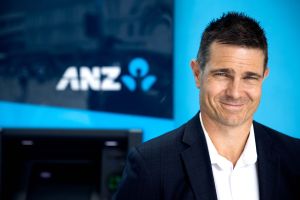
Heartland Group chief executive Andrew Dixson says return on equity remains the group's most important performance measure.
It increased from 3.2% to 7.3% in the 2026 financial year, but remains below Heartland's long-term target of at least 12%.
"Achieving an appropriate level of return is both paramount to us and drives fundamental value," Dixson says.
Heartland reported net profit after tax of $93.2 million for FY2026, with net interest margin improving to 3.95%.
For FY2027, the group is forecasting net profit after tax of at least $102 million and return on equity of at least 7.5%.
Dixson says excess capital is contributing to the gap between current returns and the group's long-term ambitions.
Heartland intends to improve capital efficiency through growth in its core lending portfolios and completion of the TSB transaction.
The proposed merger is expected to deliver normalised earnings per share accretion of more than 20% in the first year after completion.
Heartland also expects the transaction to improve return on equity and support higher dividends per share.
The group paid a total dividend of seven cents per share for FY2026, up from four cents the previous year.
The board is targeting a dividend payout ratio of at least 50% of net profit after tax in FY2027, subject to capital requirements and financial performance.
Reverse mortgages lead lending growth
Reverse mortgages remain Heartland's strongest growth business, with the group targeting growth of more than 18% in both New Zealand and Australia during FY2027.
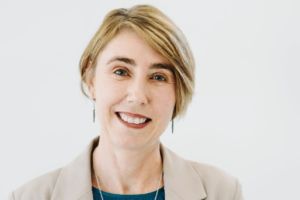
Heartland Bank New Zealand chief executive Leanne Lazarus says the New Zealand reverse mortgage portfolio grew 16.8% during FY2026.
In the September quarter, reverse mortgage receivables increased $46.9 million, equivalent to annualised growth of 12.9%.
Lazarus says growth was temporarily constrained by lower productivity during the introduction of a new technology platform.
"Growth was held back a little by lower productivity while we implemented our new technology platform, but the pipeline has since rebounded and there remains clear demand for Reverse Mortgages."
Heartland has moved reverse mortgage origination onto its new AI-enabled Pega platform, with all new loans now processed through the system.
Settlement and ongoing servicing have also been brought in-house, while customers have gained mobile app access.
Lazarus says early results indicate a meaningful reduction in the time between application and settlement.
The bank expects technology improvements to support stronger lending growth and greater operational efficiency.
Other New Zealand lending portfolios have been less buoyant.
Rural, motor finance and business finance lending contracted during the September quarter, reflecting subdued credit demand and portfolio-specific factors.
However, Lazarus expects these businesses to return to growth during FY2027.
TSB merger completion pushed to March
Heartland now expects to complete its proposed merger with TSB by March 1, 2027, subject to regulatory approval and other outstanding conditions.
The revised timetable reflects further work required through the regulatory process.
Tomlinson says the merger combines Heartland's specialist lending expertise with TSB's transactional banking capabilities and lower-cost funding.
The combined bank would have approximately $15 billion in New Zealand assets, representing a 171% increase on Heartland Bank's existing asset base.
Dixson says the additional scale will help spread technology, compliance and operating costs across a larger business.
Heartland expects annual pre-tax cost savings of approximately $34 million once the merger is fully integrated.
These savings are expected to build progressively over three years.
Lazarus, who has been endorsed as chief executive designate of TSB Heartland Bank, says detailed integration planning is already underway.
The initial priority will be maintaining service continuity for customers and staff, followed by a phased integration programme over three years.
"Day One is about stability and continuity for customers and our people."
The merger has strong shareholder backing, with 95% of votes cast at Heartland's September special meeting supporting the transaction.
For Tomlinson, the merger is central to turning Heartland's recent recovery into sustained earnings growth.
He says the group has established stronger foundations but still has considerable work ahead to realise its potential.