

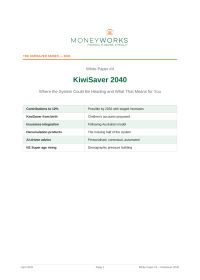
Where the System Could Be Heading and What That Means for You
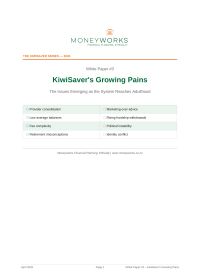
The Issues Emerging as the System Reaches Adulthood
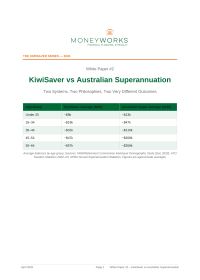
Two Systems, Two Philosophies, Two Very Different Outcomes
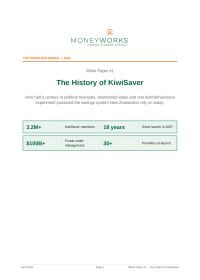
How half a century of political reversals, abandoned ideas and one bold behavioural experiment produced the savings system New Zealanders rely on today.

A seventy-year-old today has the same cognitive ability as a 53-year-old did in 2000..A retirement lasting 25 to 30 years is no longer unusual. Most financial plans were not built for that.

Council rates across New Zealand rose 34 percent in three years. House insurance premiums have risen over 50 percent since 2022. Most retirement plans do not account for what property costs to hold.
Global listed infrastructure, remains a defensive asset class, well-positioned amid geopolitical and economic uncertainties in 2025.
As global markets evolve and new sources of growth emerge outside the United States, it is important to recognise the risks of concentration. Market-capitalisation- weighted indices such as the MSCI World or S&P World index naturally result in a heavy US allocation, with the United States often representing more than 70% of these benchmarks.