





Level 5 is a minimum, not best practice: Dale-Jones
Former Code Committee chair: professional judgment "isn't an accomplishment"
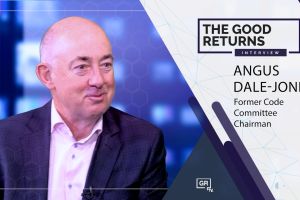
After nine years chairing the Code Committee, Angus Dale-Jones says the regime he leaves behind is built on giving advisers room to exercise judgment rather than ticking boxes against prescriptive rules.
Speaking to Good Returns TV, Dale-Jones said the Code has always tried to strike a balance between "black letter law" — rigid rules for different types of advice — and overarching principles. Lean too far into rules, he said, and you risk perverse outcomes, with advisers downsizing what they offer clients simply to avoid triggering extra obligations. His preference has consistently been for workable principles over prescription.
Central to that approach is what he calls professional judgment: the ability of a human adviser to expand or contract their questions the way a doctor would, depending on the client in front of them. "If you deliver advice in the same way to every client, you're never going to get over the hurdle to advice accessibility," he said, describing advice as a lifelong journey rather than a single transaction.
That judgment, he argues, is precisely what technology can't replicate — though he's far from dismissive of AI's role. Dale-Jones urged advisers to treat technology "as your friend," predicting it will increasingly handle the detailed, data-heavy end of advice while freeing up advisers for the deeper conversations, particularly around long-term retirement planning.
On that note, he flagged KiwiSaver as New Zealand's underused "secret superpower" — arguing the real opportunity isn't steering clients to the right fund, but embedding KiwiSaver into a much bigger conversation about people's financial journey to retirement, especially with NZ Super now consuming one-sixth of the tax take.
Dale-Jones also addressed criticism that Code Committee members are themselves conflicted given their industry ties, pointing to the committee's longstanding conflicts register and its advisory, rather than regulatory, role. And asked bluntly whether Level 5 qualifications set the bar high enough, his answer was a qualified no — good as a minimum, he said, but not the ceiling for best practice.
There's plenty more in the full conversation, including his take on why last year's shift in CPD requirements proved controversial, and what he'd still like to see change. Watch the full interview with Angus Dale-Jones on Good Returns TV.


![[Weekly Wrap] KiwiSaver in play; but outcome unclear](https://goodreturns.publit.io/file/c_fill,w_300,h_200/0ad582e4-c9a3-4692-bbe2-62d928f77fd2.jpg)

![[GRTV] Advisers risk losing clients if they ignore ethical investing: Vennell](https://goodreturns.publit.io/file/c_fill,w_300,h_200/09a08be9-c5a8-4a1d-8874-7f7bf8ca315e.jpg)